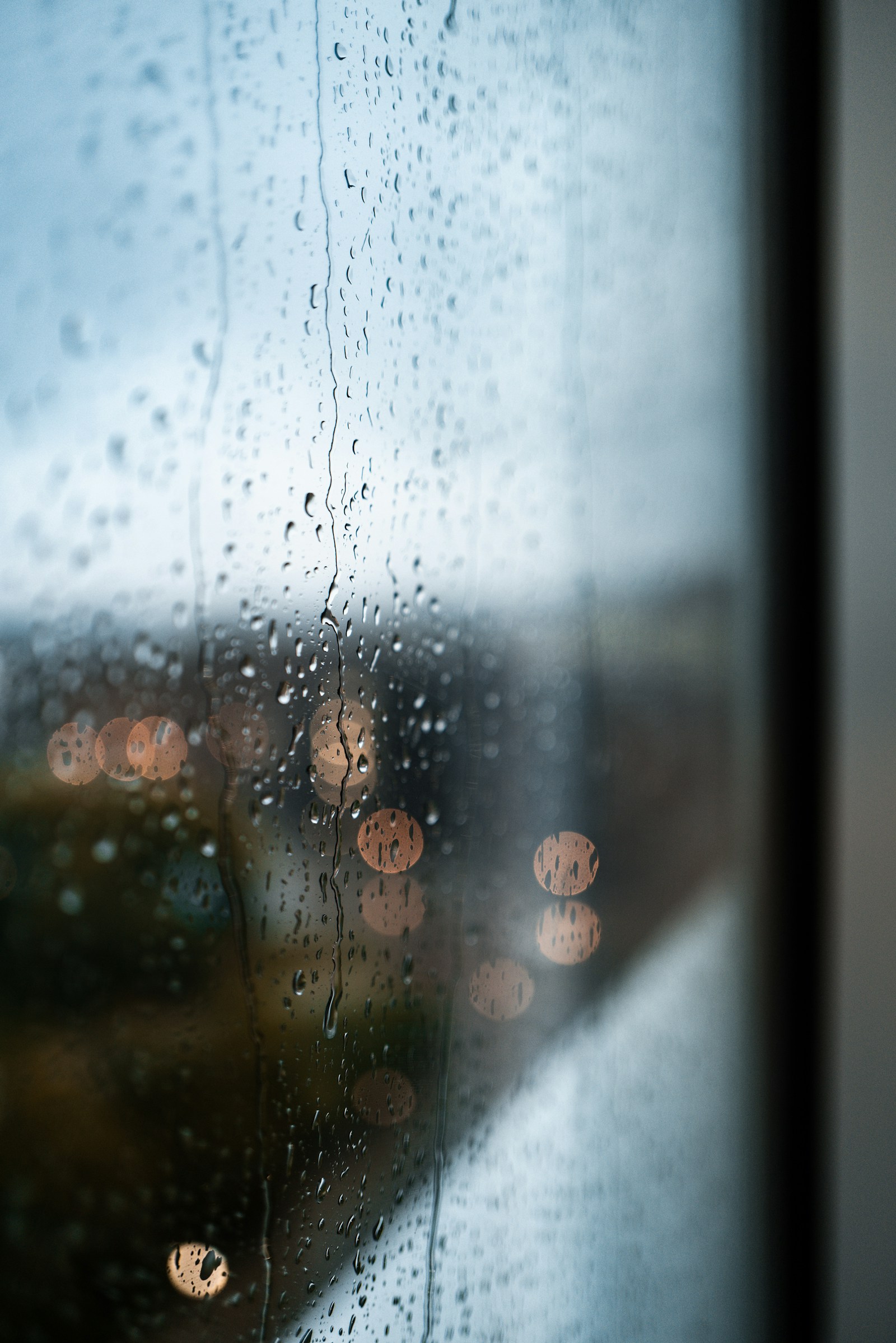
Nighttime noise can interrupt sleep, but the right response depends on what you hear. A door closing, a neighbour’s conversation and a constant ventilation hum are different problems. Identify the disturbance before adding more sound to the room.
What a laboratory study shows
In a 2026 experiment involving 25 healthy adults, intermittent environmental noise reduced deep sleep under the tested conditions. Adding pink noise did not consistently solve the problem and reduced REM sleep. These findings came from seven laboratory nights, so they cannot predict an individual result at home. [source]
The useful lesson is that extra audio deserves the same attention as other bedroom sounds. More background noise is not automatically an improvement.
Make a short sound map
Do this while you are awake, without spending the night listening for every sound. Write down the main disturbance, where you think it comes from and whether you can change it.
| What you hear | A question to investigate |
|---|---|
| Phone vibrations | Which notifications need to reach me overnight? |
| A door closing | Can the household agree on a quieter routine? |
| Street activity | Would another room or a different bed position help? |
| A mechanical hum | Does the appliance need inspection or maintenance? |
These are starting questions, not tested soundproofing interventions. Check ventilation and household safety before changing how a room or appliance is used.
Look for more than one cause
NHLBI identifies noise, light, temperature and schedule changes among factors that can disturb sleep. [source] If you also worked late or slept in a different room, keep that context in your notes. Otherwise, you may give one sound too much credit or blame.
Choose one manageable change and record what you notice the next morning. Avoid checking the clock after every noise. An approximate account is enough to begin a useful discussion.
If you are choosing an audio device, learn what masking, isolation and active cancellation each do. If waking continues even on quiet nights, consider the broader questions in our guide to waking at night.
Sources and further reading
- Efficacy of pink noise and earplugs for mitigating the effects of intermittent environmental noise exposure on sleepBasner et al., Sleep. 2026; abstract reviewed; 25 healthy adults, seven laboratory nights.
- Insomnia: Causes and Risk FactorsNHLBI / NIH. Updated 24 March 2022; risk factors do not establish an individual diagnosis.
Prepared by Dozemere. Sources checked on 24 October 2026. How we write about sleep.