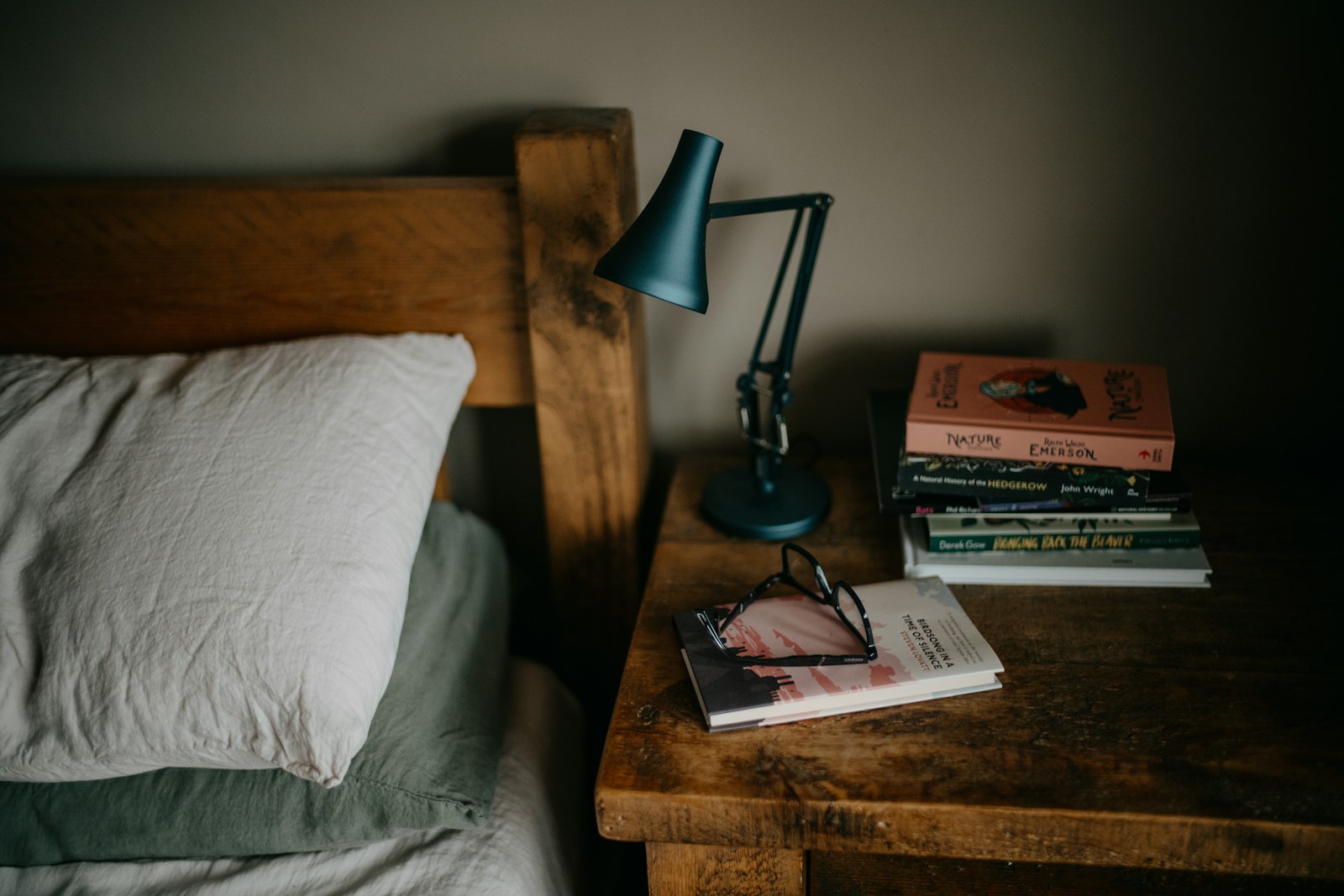
Repeated waking can have several contributors. The time on the clock alone does not identify the cause. Start by describing what you notice when you wake, how easily you return to sleep and how the next day feels.
Ask what has changed
NHLBI lists stress, schedule changes, caffeine, nicotine, alcohol and an uncomfortable sleep environment among factors associated with sleep problems. Worrying about sleep and watching the clock can add to the difficulty. [source]
Make a short comparison with your usual week. Have you travelled, changed working hours or moved rooms? Are you caring for someone overnight? Have you started waking to a particular sound?
Describe the waking itself
Useful notes can be simple: “Woke after a noise and returned to sleep,” or “Woke without an obvious reason and felt awake for a long time.” Add symptoms such as pain, breathing difficulty or the need to use the bathroom when they occur. Avoid assigning a medical cause yourself.
If you take medicines, include them in a conversation with your clinician or pharmacist. Do not stop or change a prescription because of a sleep article.
Give breathing symptoms particular attention
Breathing pauses, gasping or choking during sleep, loud snoring and daytime tiredness can occur with sleep apnoea. The NHS advises medical assessment for the characteristic symptoms. [source] Ask a partner what they have noticed if that is practical.
Bring a useful account to an appointment
NHLBI advises talking to a clinician when poor sleep affects daily activities. A sleep diary can support the assessment. [source] Include roughly when the pattern began and examples of its impact, such as struggling to concentrate or feeling sleepy during the day.
You do not need an exact minute-by-minute account. An honest estimate and a description of your daytime experience are more useful than a chart with invented precision. If an app report disagrees with your experience, take both observations to the discussion.
Our sleep diary guide shows what to record. If noise is a clear trigger, map the bedroom sounds as one part of the wider picture.
Sources and further reading
- Insomnia: Causes and Risk FactorsNHLBI / NIH. Updated 24 March 2022; risk factors do not establish an individual diagnosis.
- Insomnia: DiagnosisNHLBI / NIH. Updated 24 March 2022; sleep diary and assessment guidance.
- Sleep apnoeaNHS. Reviewed 11 May 2026; UK patient guidance.
Prepared by Dozemere. Sources checked on 24 October 2026. How we write about sleep.