Brown noise may be a sound you enjoy at bedtime. The research reviewed here does not establish that it reliably improves sleep, treats insomnia or produces more deep sleep. Those claims require evidence about the specific sound and the way it is used.
What the broader research can tell us
The 2021 review of continuous noise as a sleep aid found substantial variation between studies and very low-certainty evidence of benefit. It cannot establish a specific benefit for brown noise. [source]
A 2026 laboratory study followed 25 healthy adults over seven nights. Pink noise reduced REM sleep in the tested conditions, while earplugs mitigated many effects of environmental noise. The experiment studied pink noise, and its findings cannot be transferred directly to brown noise or your bedroom. [source]
Together, these sources support a modest conclusion: the colour of a soundtrack is an insufficient basis for a promise about sleep quality. Research design, volume, exposure and the participants all matter.
Read the claim closely
When a video or product says “scientifically proven,” look for the study link. Ask what was measured. Did participants say they liked a sound, report that they slept better, or have sleep measured in a laboratory? Those are different outcomes.
Also check what participants actually heard. A study involving timed sound pulses cannot automatically support a claim about a continuous recording. A result in one group does not describe every listener. A screenshot of a sleep score is not enough to answer these questions.
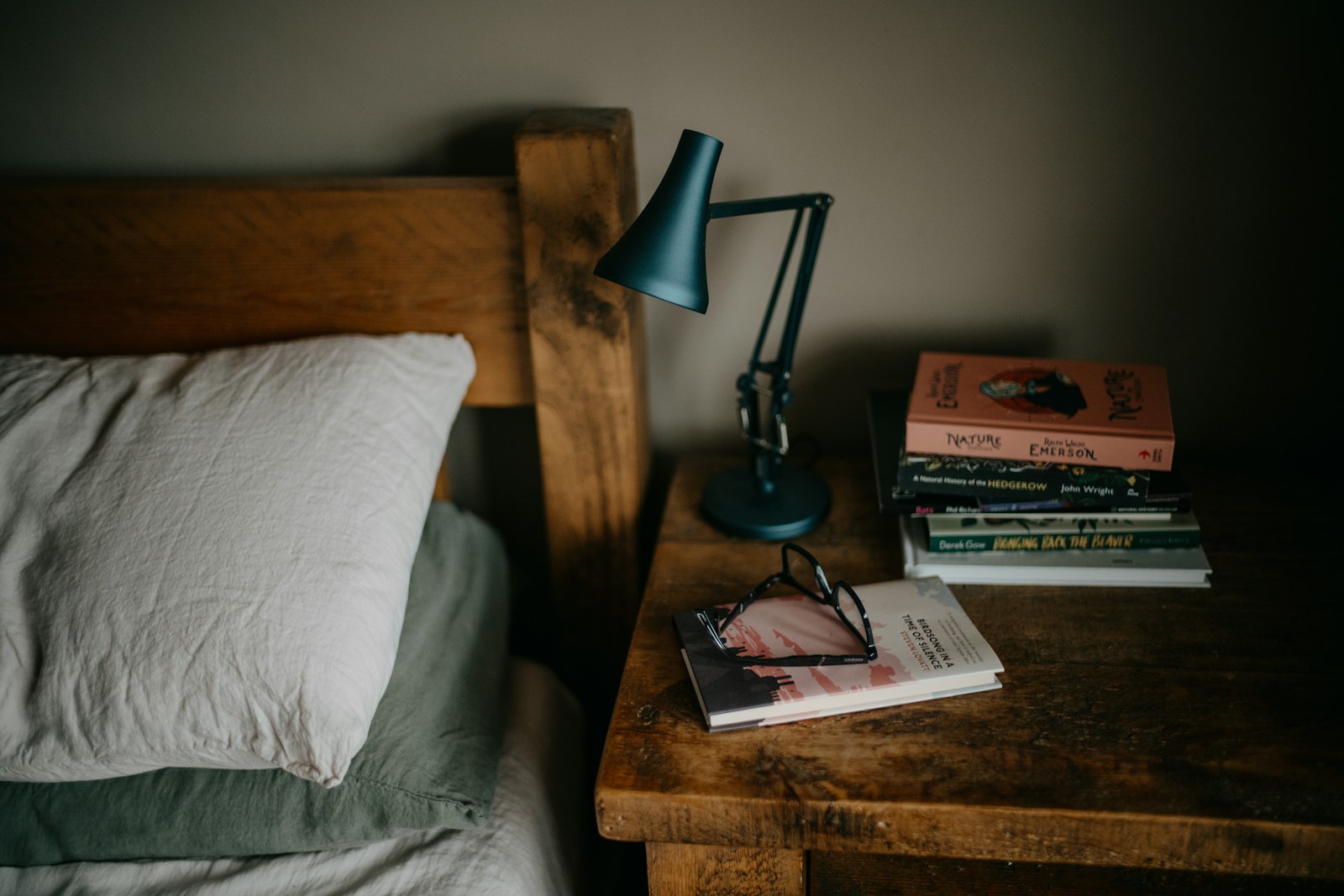
Make your own trial easy to interpret
If you want to try a quiet sample, begin with a simple question: “Do I find this pleasant while settling down?” Keep the answer separate from claims about REM or deep sleep.
An example note could read: “Tried a soft rumble before bed. Liked the sound, but turned it off when I wanted quiet.” That observation is useful even without a score. If you keep notes over several nights, include other changes such as travel or a late evening, so you do not attribute everything to the soundtrack.
Our sleep diary guide gives you a compact way to record those observations. Stop using a sound that feels irritating or makes your night worse.
Sources and further reading
- Noise as a sleep aid: A systematic reviewRiedy et al., Sleep Medicine Reviews. 2021; abstract reviewed; heterogeneous studies, very low certainty of benefit.
- Efficacy of pink noise and earplugs for mitigating the effects of intermittent environmental noise exposure on sleepBasner et al., Sleep. 2026; abstract reviewed; 25 healthy adults, seven laboratory nights.
Prepared by Dozemere. Sources checked on 24 October 2026. How we write about sleep.